 11
11
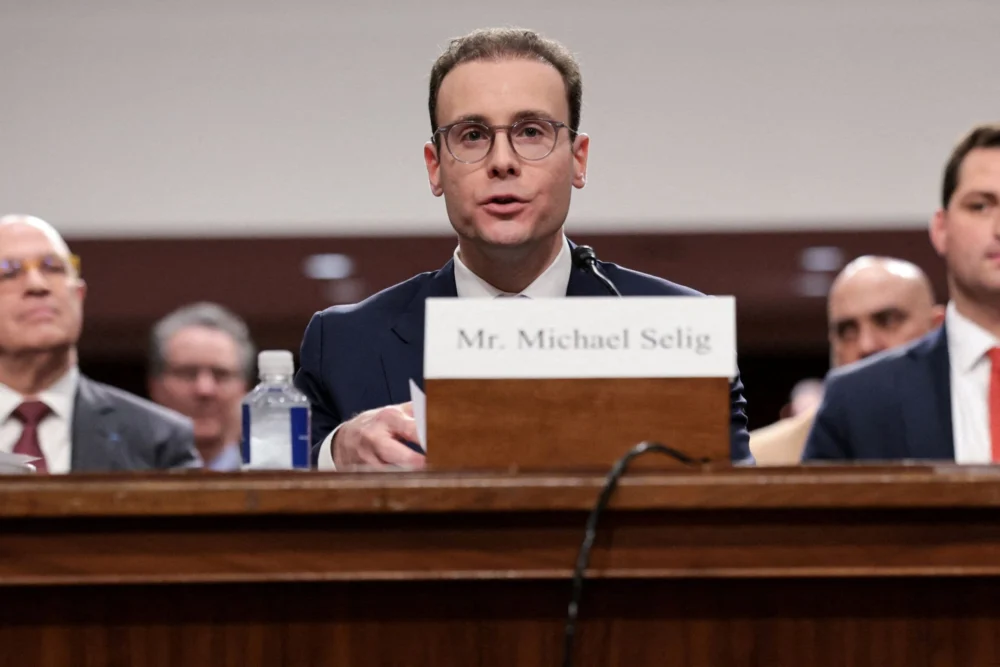
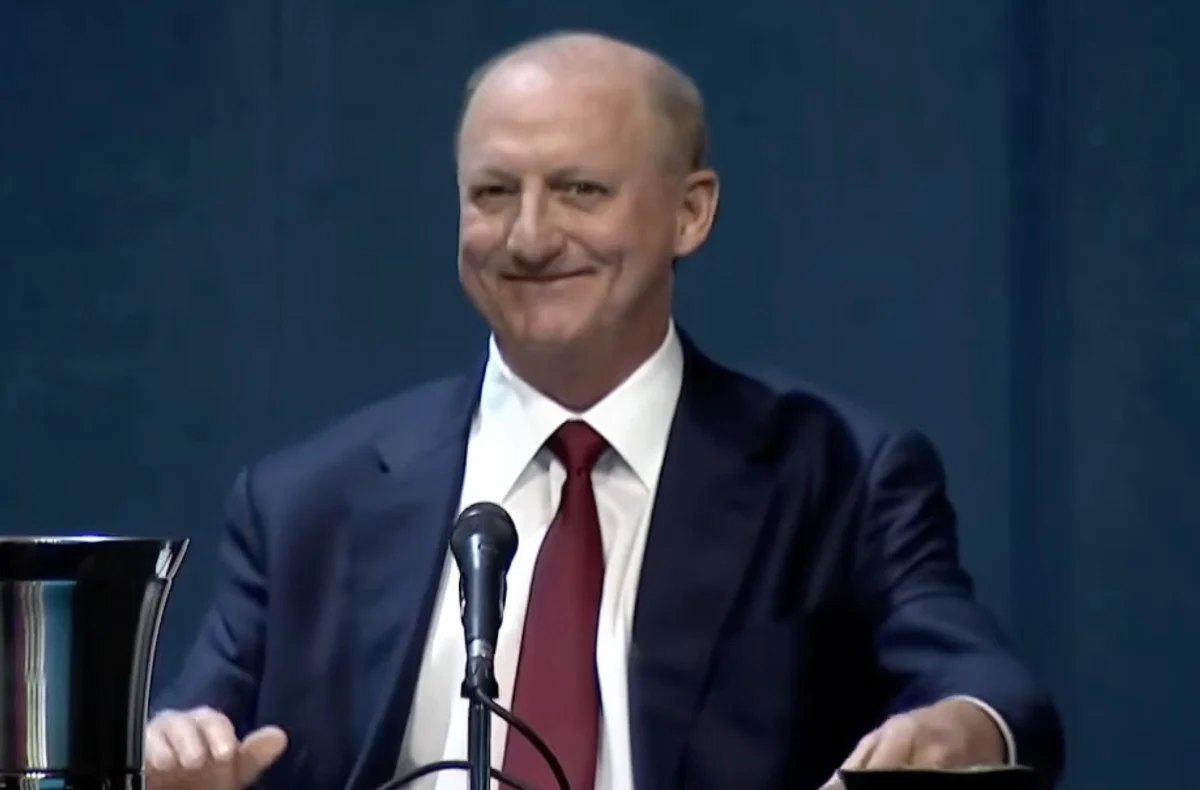
Washington D.C. – The Commodity Futures Trading Commission (CFTC) has formally entered the legal fray over prediction markets, filing an amicus brief in federal court on Tuesday to assert its exclusive authority to regulate these platforms, a move Chairman Michael Selig stated is designed to preempt overzealous state-level prohibitions. This decisive action signals a significant shift in the CFTC’s approach, moving from a position of watchful observation to active defense of its jurisdictional claims.
In a strongly worded op-ed published Monday in The Wall Street Journal, Chairman Selig articulated his rationale, arguing that the CFTC has historically possessed and continues to hold the ultimate authority over prediction markets. He emphasized the agency’s role in determining whether the event contracts traded on these platforms constitute gambling, a claim vehemently contested by critics and a central point of contention in numerous legal battles. Selig highlighted the burgeoning landscape of litigation, citing nearly 50 active cases targeting prediction markets, and declared the CFTC’s intention to intervene decisively to prevent what he termed "state encroachment."
"The CFTC will no longer sit idly by while overzealous state governments undermine the agency’s exclusive jurisdiction over these markets by seeking to establish statewide prohibitions on these exciting products," Selig wrote in his editorial. This statement underscores a new era of assertive enforcement under his leadership, aiming to provide clarity and stability for both operators and participants in the prediction market ecosystem.
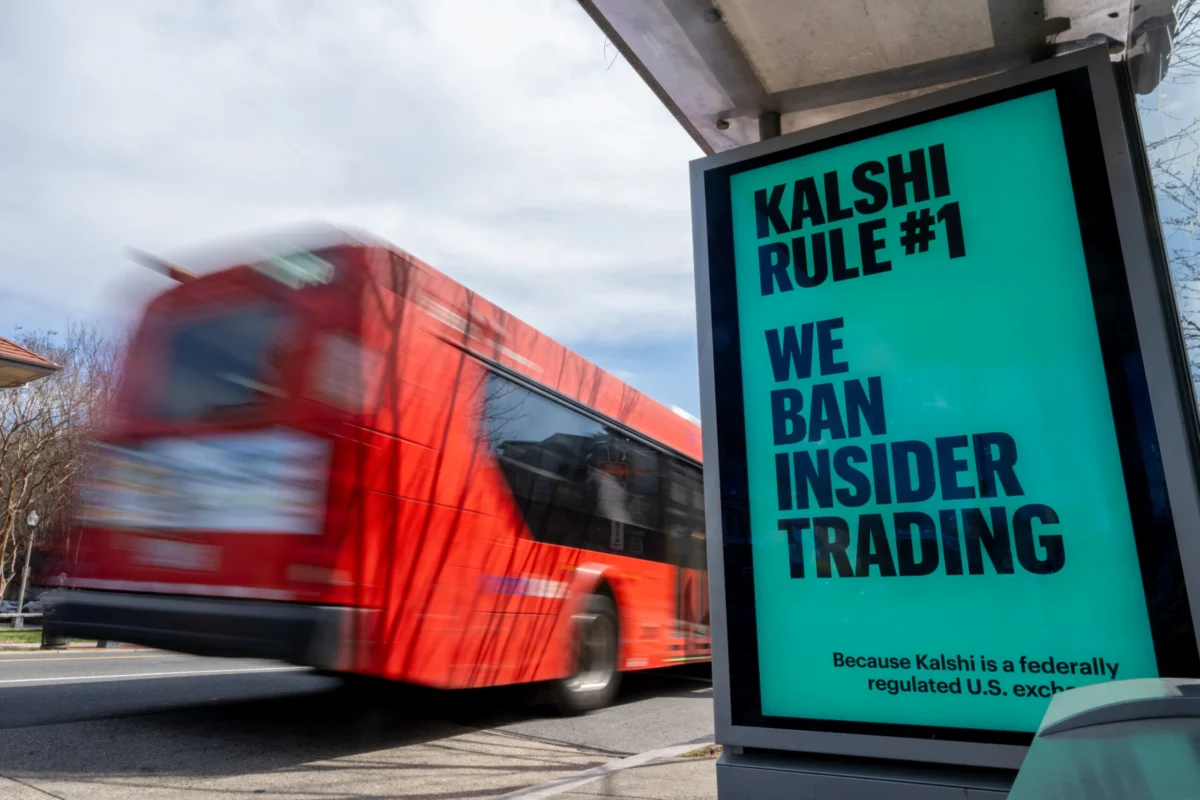
The CFTC’s intervention comes at a critical juncture, as prediction market platforms such as Kalshi and Polymarket are confronting mounting legal challenges across various states. These platforms have gained traction by allowing users to speculate on the outcomes of a wide array of events, spanning pop culture, sports, entertainment, and political developments. The nature of these event contracts has ignited a fierce debate, with opponents arguing that they are essentially a form of gambling, while proponents, including Kalshi, maintain that their operations are compliant with federal regulations and offer legitimate avenues for market-based forecasting. Comparisons to the rapidly expanding legalized sports betting industry in the U.S. have frequently been drawn, further complicating the regulatory landscape.
These developments follow Chairman Selig’s initial public statements as CFTC chairman at the close of January. At that time, he signaled his readiness to develop new, clearly defined rules to govern prediction markets. He also indicated a willingness to re-evaluate the agency’s involvement in federal and circuit court cases that touch upon these markets. "Where jurisdictional questions are at issue, the Commission has the expertise and responsibility to defend its exclusive jurisdiction over commodity derivatives," he stated, setting the stage for the proactive stance now being taken.
Selig’s op-ed further elaborated on the functional aspects of event contracts, asserting that they "serve legitimate economic functions" and should be classified as "swaps" under CFTC regulations, thereby distinguishing them from gambling activities. He posited that the trading of these contracts offers tangible benefits to the market and the broader American populace, fostering price discovery and providing valuable insights into future events. He countered the narrative of these exchanges being unregulated spaces, stating, "These exchanges aren’t the Wild West, as some critics claim, but self-regulatory organizations that are examined and supervised by experienced CFTC staff." This perspective frames prediction markets as sophisticated financial instruments operating within a robust regulatory framework, albeit one that requires ongoing refinement and defense.
Reinforcing his commitment to this assertive posture, Chairman Selig released a video message on X (formerly Twitter) on Tuesday. In the concise yet impactful statement, he conveyed a direct message to those who question the CFTC’s authority: "We will see you in court." He further elaborated on the significance of the CFTC’s current actions, stating, "Today, the CFTC is taking an important step to ensure that these markets have a place here in America and have the integrity and resilience and vibrancy that our derivative markets deserve." This declaration signals a clear intent to protect and nurture the prediction market sector under federal oversight.
The specific amicus brief filed by the CFTC is intended to support Crypto.com in its ongoing legal dispute with the Nevada Gaming Control Board, a case that is being heard in the Ninth U.S. Circuit Court of Appeals. This particular legal battle serves as a crucial test case for the boundaries of state versus federal authority in regulating financial products that bear resemblance to both speculative investments and gambling.
As of the time of this report, CNBC had not independently verified the official filing of the amicus brief. However, the Chairman’s public statements and the intent behind the filing are clear indicators of the CFTC’s determined approach to asserting its regulatory purview over prediction markets.
It is important to note a commercial relationship exists between CNBC and Kalshi, which includes a minority investment by CNBC in Kalshi. This disclosure is made in accordance with journalistic best practices.