 11
11
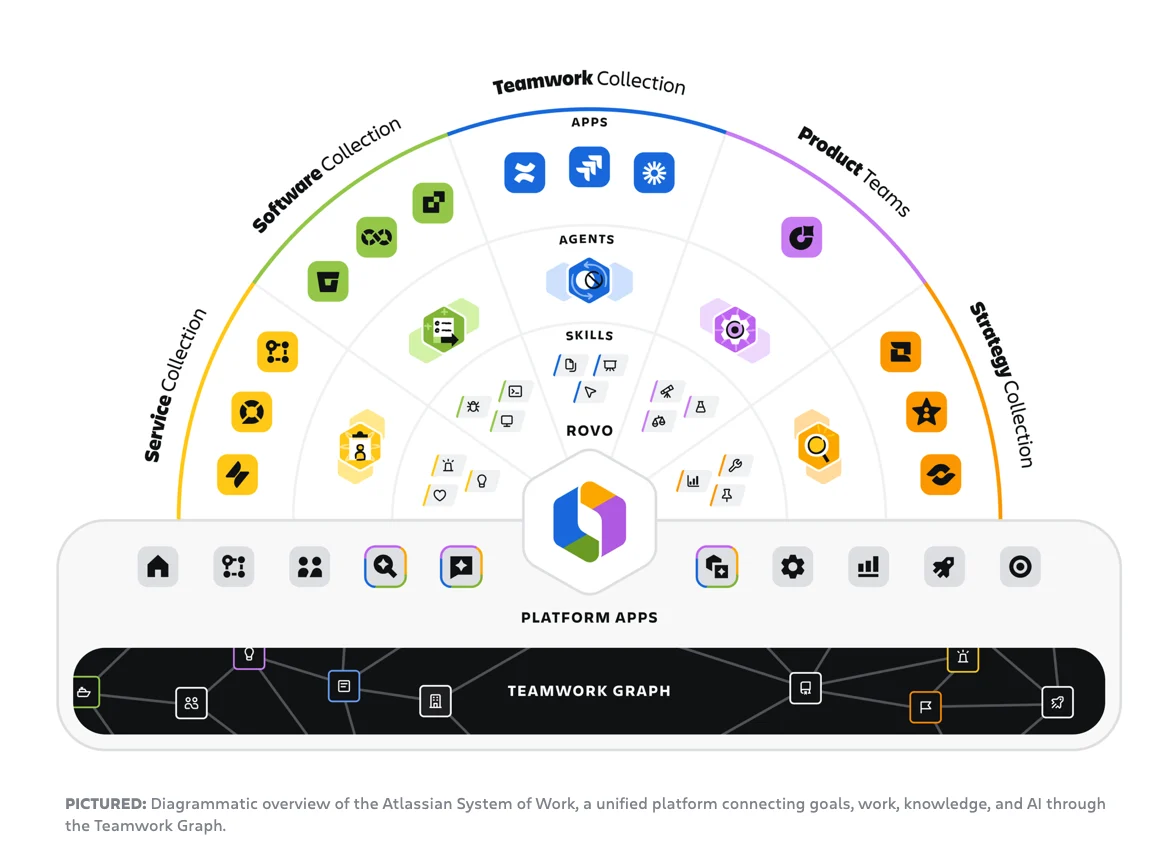
The landscape of artificial intelligence in the workplace is undergoing a fundamental transformation, shifting from simple conversational interfaces to sophisticated "action agents" capable of executing complex workflows. This evolution was the central theme of RovoCon, a specialized event recently held in San Francisco and hosted by the Atlassian Community Champions. The conference served as a platform for Atlassian to demonstrate the capabilities of Rovo, the company’s latest AI-powered teammate, and to outline a future where AI agents function not merely as search tools, but as active participants in the professional environment.
The event, attended by developers, community leaders, and "Newlassians"—a term used for new Atlassian employees—provided a comprehensive look at how generative AI is being integrated into the Atlassian suite to drive productivity. For many attendees, including newly minted Developer Advocates, the conference offered a first-hand look at the "doer" capabilities of modern AI. Unlike the previous generation of chatbots that primarily summarized text or answered basic questions, the new iteration of agents showcased at RovoCon is designed to perform tasks, manage documentation, and interact with complex data sets while maintaining human oversight.
The morning sessions at RovoCon focused on the conceptual transition of AI from a tool to a teammate. Atlassian’s leadership and community organizers emphasized that the goal of Rovo is to unlock unprecedented levels of productivity by automating mundane, repetitive tasks. This allows human workers to focus on high-value, creative problem-solving. Internal data shared during the event highlighted the tangible impact of these tools; for instance, Atlassian’s internal onboarding chatbot has transformed the experience for new hires. What used to be a 30-minute manual search through various documentation silos has been reduced to a five-second natural language query. Statistics presented at the event suggested that approximately 78% of users found this shift to natural language interaction significantly more efficient than traditional information retrieval methods.
A significant portion of the technical discussion centered on the rebranding and functional upgrade of "Actions" to "Skills." This shift is more than semantic; it represents the velocity of change within the AI sector. By providing Large Language Models (LLMs) with specific "Skills," developers can enable these models to execute work within the Atlassian ecosystem and beyond. These Skills act as the bridge between a user’s intent and the actual execution of a task, such as updating a Jira ticket, creating a Confluence page, or pulling data from external repositories. The conference underscored that we are moving past the era of simply talking to LLMs and into an era where we empower them to act.
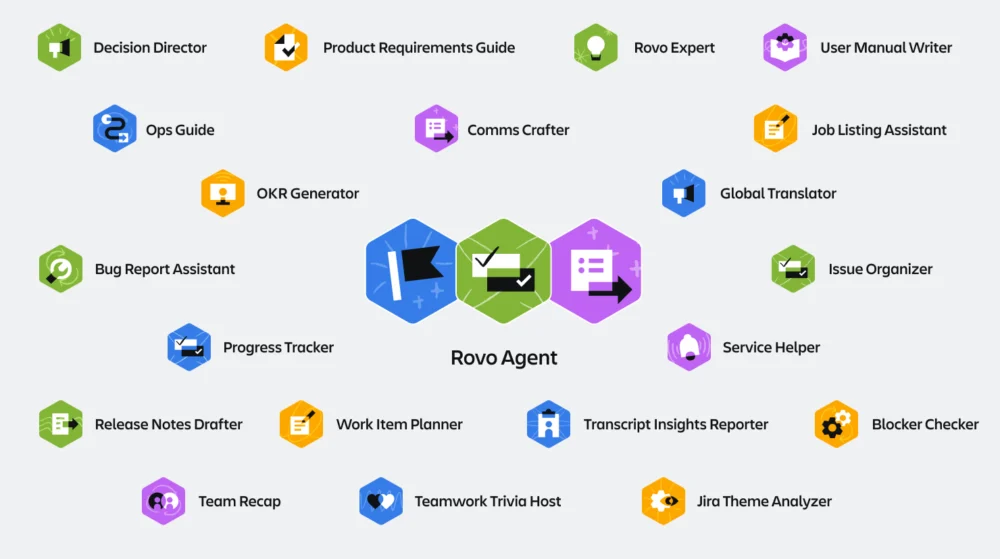
The midday programming offered a transition from theoretical presentations to hands-on applications. During the lunch break, which featured a community-centric atmosphere and catered Filipino cuisine, attendees discussed the practical implications of Rovo Agents. For the Developer Advocate community, the focus remained on empowerment. The "Agents" track of the afternoon workshops became a primary draw, attracting nearly three-quarters of the event’s total attendance. This high level of interest signaled a strong market demand for tools that put "ultimate power" directly into the hands of the end-user, allowing for the customization of AI agents to fit specific departmental needs.
The highlight of the afternoon was a "No Agenda" workshop, an unconventional format that prioritized real-time problem-solving over scripted demonstrations. In this session, the flexibility of Rovo was put to the test when a customer presented a real-world pain point: the labor-intensive process of creating and maintaining a comprehensive glossary for technical documentation. Traditionally, such a project could take weeks of manual cross-referencing, drafting, and internal review cycles to ensure accuracy and consistency across a large organization.
In a live demonstration of Rovo’s capabilities, the session host built a solution in real-time using nothing but natural language instructions. By commanding Rovo to pull existing data, generate mock examples for clarity, and format the output into a structured glossary, the project was completed in a matter of seconds. This demonstration served as a powerful proof of concept for "rapid iteration." It illustrated how AI can eliminate the traditional "review cycle" bottlenecks, allowing teams to refine documents and reach a "perfect product" in record time. The ability to iterate instantly based on natural language feedback marks a departure from traditional software development or content creation lifecycles, which often involve lengthy delays between drafting and final approval.
The broader philosophical takeaway from RovoCon was summarized in a comparison between the executive experience of the past and the worker experience of the future. In 2006, the luxury of a personal assistant—someone to handle routine administrative tasks, organize information, and manage mundane workflows—was a privilege reserved primarily for CEOs and high-level executives. The conference posited that by 2026, every knowledge worker will effectively function as an executive of their own workflow. Through the use of AI agents like Rovo, the routine and the mundane are offloaded to digital assistants, democratizing the "executive" experience across the entire workforce.
This shift necessitates a change in mindset for the modern professional. The concluding remarks of the event highlighted that the future of work is not necessarily about working harder or increasing the volume of manual output. Instead, it is about becoming the "architect" of one’s own efficiency. Professionals are being encouraged to embrace AI agents not as threats to their roles, but as personal assistants that enable them to tackle more complex, creative, and strategically significant problems.
As RovoCon concluded, the key takeaways for the Atlassian community were clear. First, the transition from "Chat to Action" is the new standard for enterprise AI; a tool that cannot execute a task is no longer considered sufficient in a high-velocity work environment. Second, the democratization of AI through natural language "Skills" allows non-technical users to build complex automations that were previously the sole domain of software engineers. Finally, the speed of iteration made possible by these agents is set to redefine project timelines across industries.
For "Newlassians" and veteran developers alike, the event served as a call to action. The integration of Rovo into the daily workflow represents a shift toward a more agentic future. By utilizing these tools to handle documentation hunts, glossary creation, and task management, employees are freed from the "drudgery" of information management. The event in San Francisco proved that the Atlassian Community is at the forefront of this transition, moving away from the static tools of the past and toward a dynamic, AI-powered teammate model.
The success of RovoCon, organized by the Community Champions, reinforces the importance of community-led innovation in the tech sector. By bringing together developers, users, and Atlassian staff to solve real-world problems in real-time, the event provided a blueprint for how companies can successfully navigate the rapidly changing AI landscape. As participants left the venue, the consensus was that the era of AI as a simple conversationalist has ended, and the era of the AI "doer" has officially begun. The vision for 2026 is one of empowered individuals using Rovo and similar technologies to act as the architects of their own professional productivity, ensuring that the focus of human labor remains on the problems that matter most.