 11
11
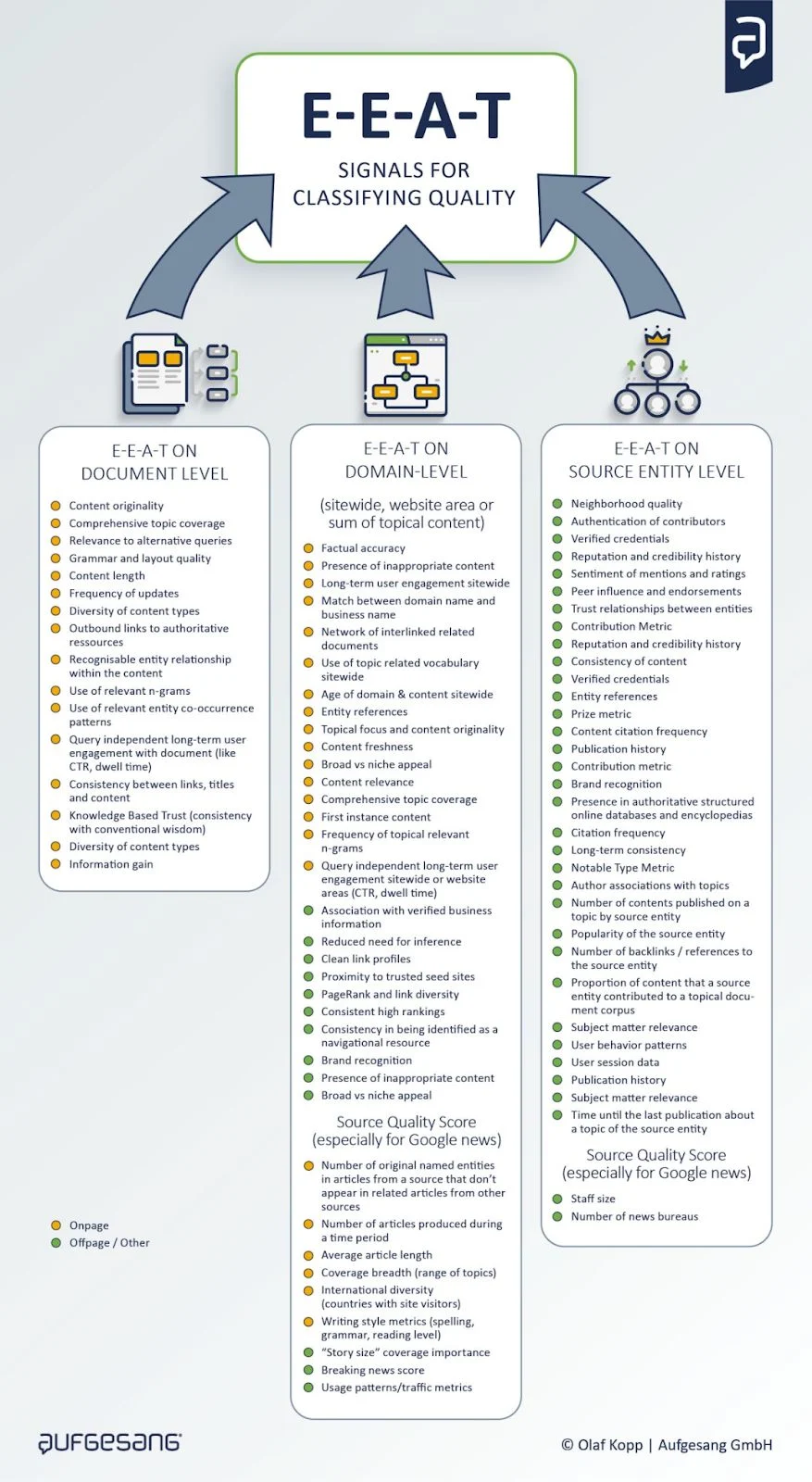
The evolving digital landscape, particularly with the rise of Google’s AI search features, has amplified the importance of brand authority. Many marketers and business owners are seeking concrete methods to measure and enhance this crucial aspect of their online presence. The answer lies in a thorough E-E-A-T audit, a systematic process designed to assess a brand’s Experience, Expertise, Authoritativeness, and Trustworthiness. While E-E-A-T itself is a conceptual framework used by Google’s Quality Raters, its manifestation can be observed through hundreds of measurable signals. This audit aims to translate these signals into a practical evaluation, ensuring brands are well-positioned for visibility and credibility in both traditional and AI-driven search environments.
The challenge with E-E-A-T is its abstract nature; it’s not a direct ranking factor that can be simply added to a webpage. As Google’s John Mueller has stated, E-E-A-T is earned over time through building a solid brand, demonstrating genuine expertise, and cultivating trust and a positive reputation across the web. This audit process breaks down the evaluation into manageable, tangible components, encompassing everything from a website’s foundational elements to its off-site reputation and technical integrity.
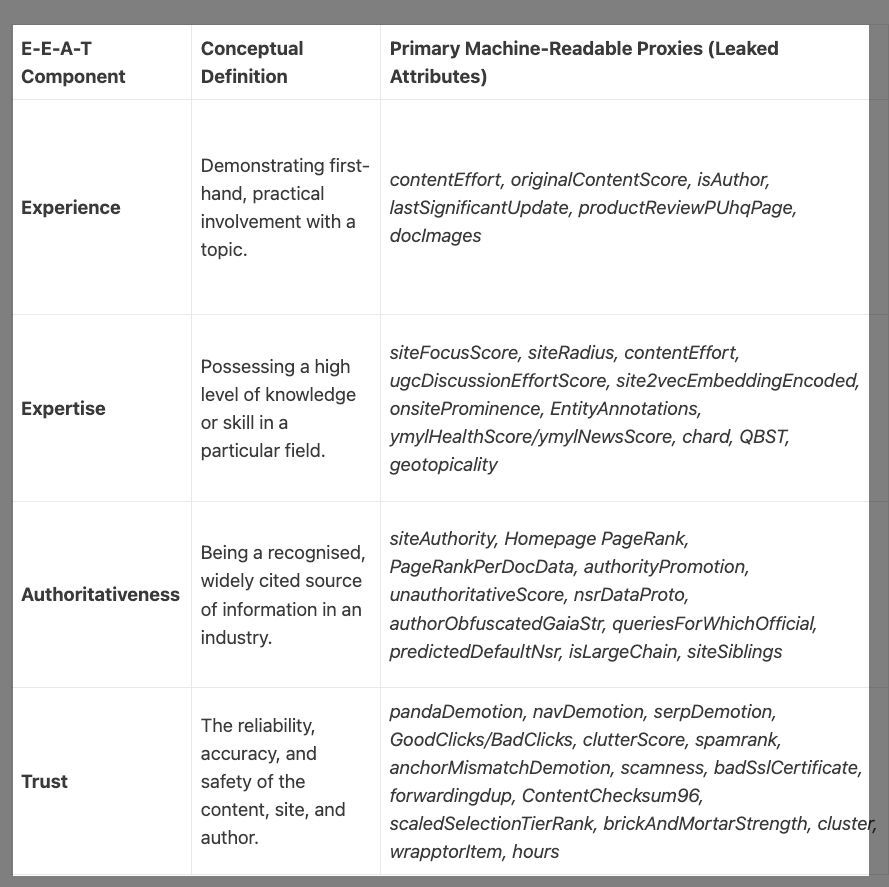
The E-E-A-T Audit Framework

The audit is structured around nine key areas, each contributing to the overall perception of a brand’s authority:
Brand and Website Foundations: The initial step involves scrutinizing the core elements that establish a website’s legitimacy and trustworthiness. According to Google’s Quality Rater Guidelines, this includes evaluating the website’s clear purpose, identifying who is responsible for it, and assessing its overall reputation. A lack of these foundational elements can lead to a "Lowest" rating, irrespective of other strengths. Key checks include:
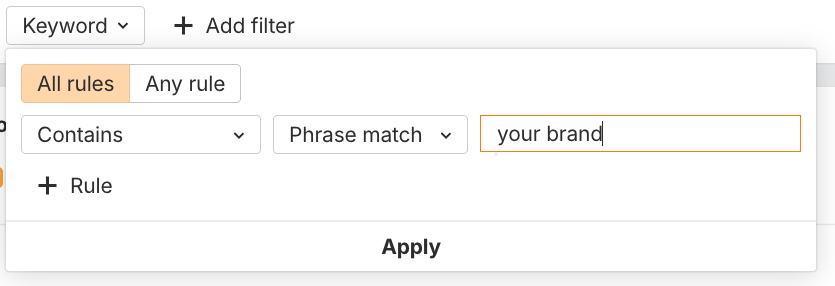
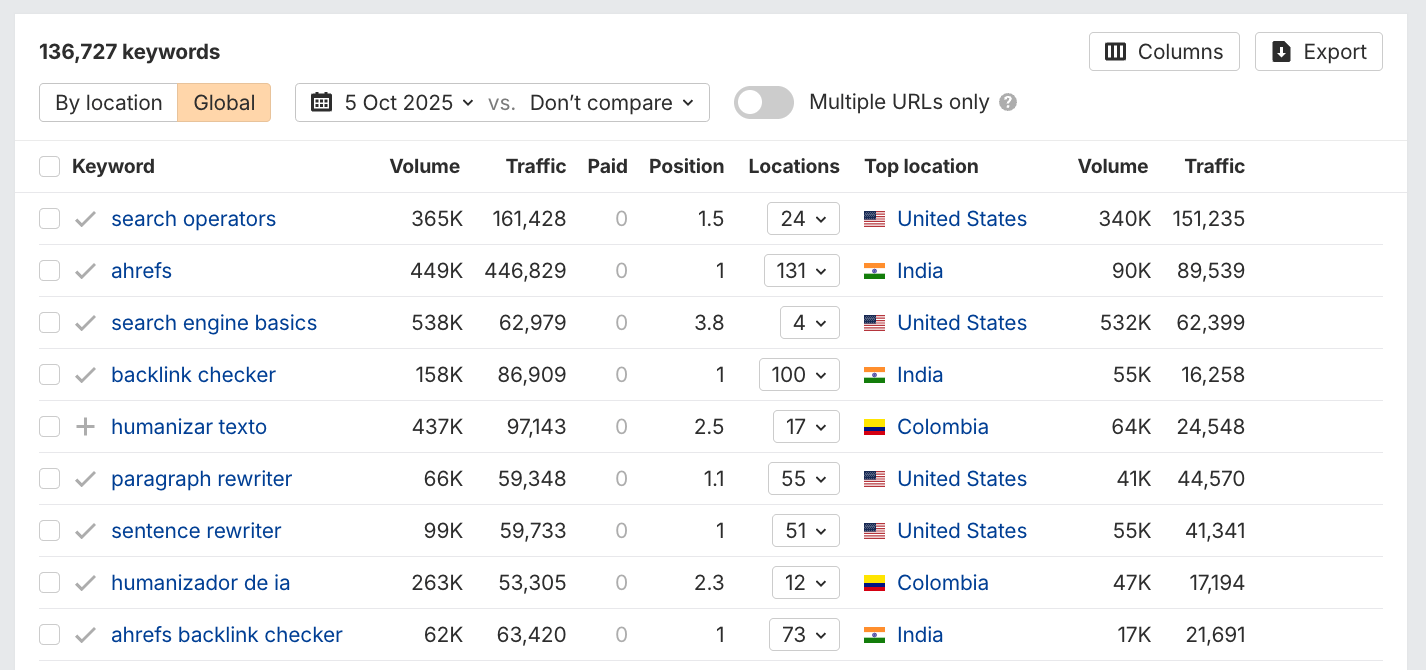
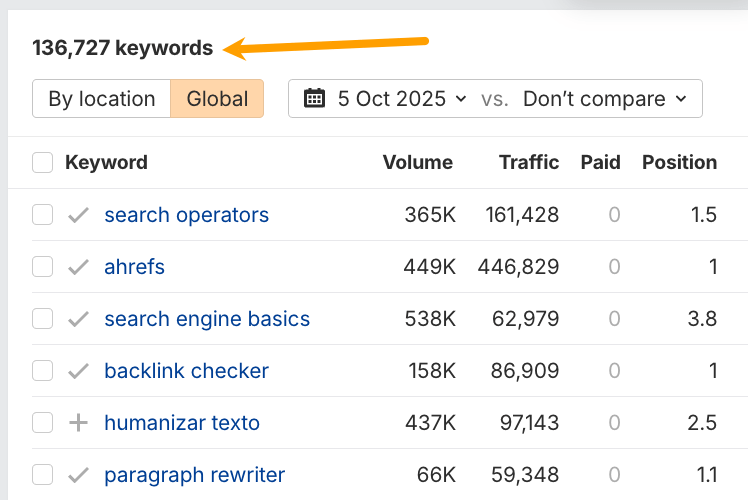
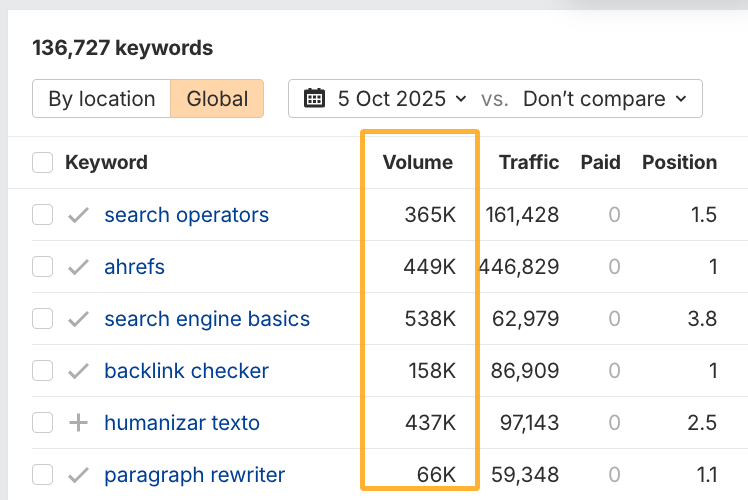
Brand Authority in Google Search: Evaluating a brand’s performance in Google search serves as a proxy for how effectively its E-E-A-T signals are being recognized. High rankings for branded and topical queries indicate that Google perceives the brand as a relevant authority. This involves analyzing:
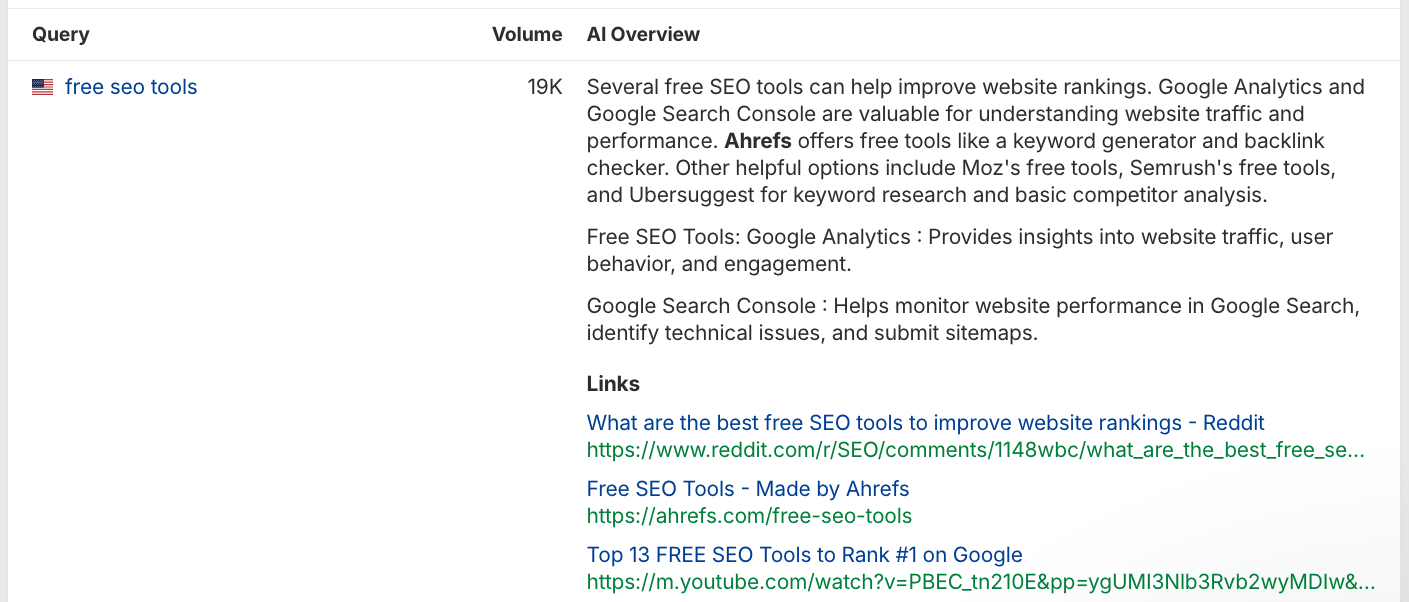
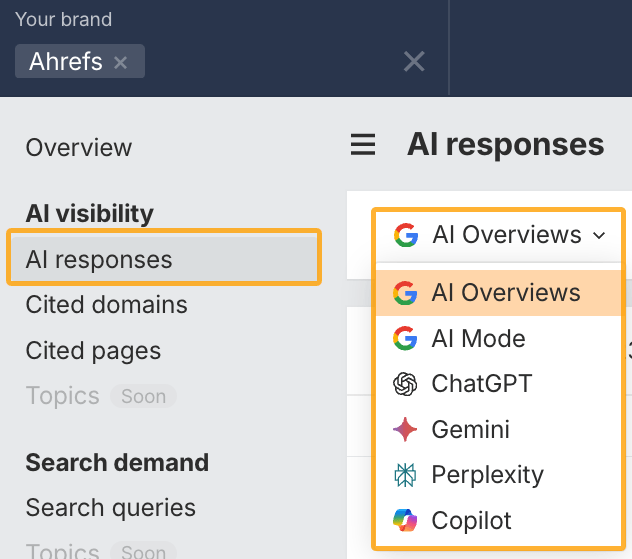
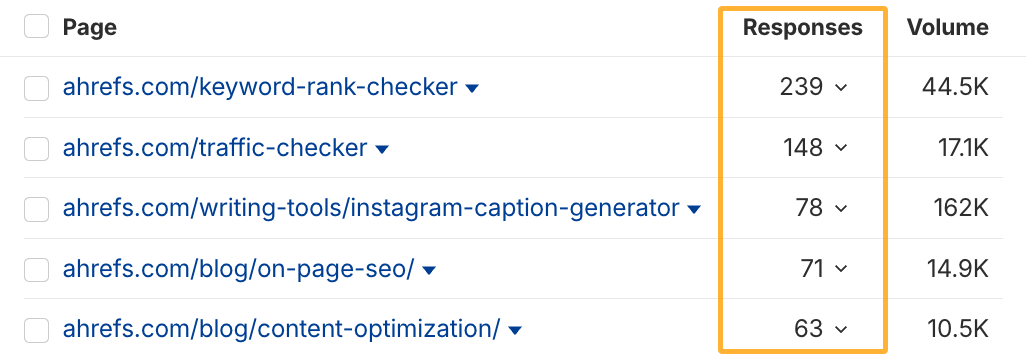
Brand Authority in Google’s AI Features: As AI-powered features like AI Overviews and Gemini become more prevalent, understanding a brand’s visibility within them is critical. Brands cited in AI answers are typically those with strong authority signals that AI models already recognize. Auditing this involves looking for:
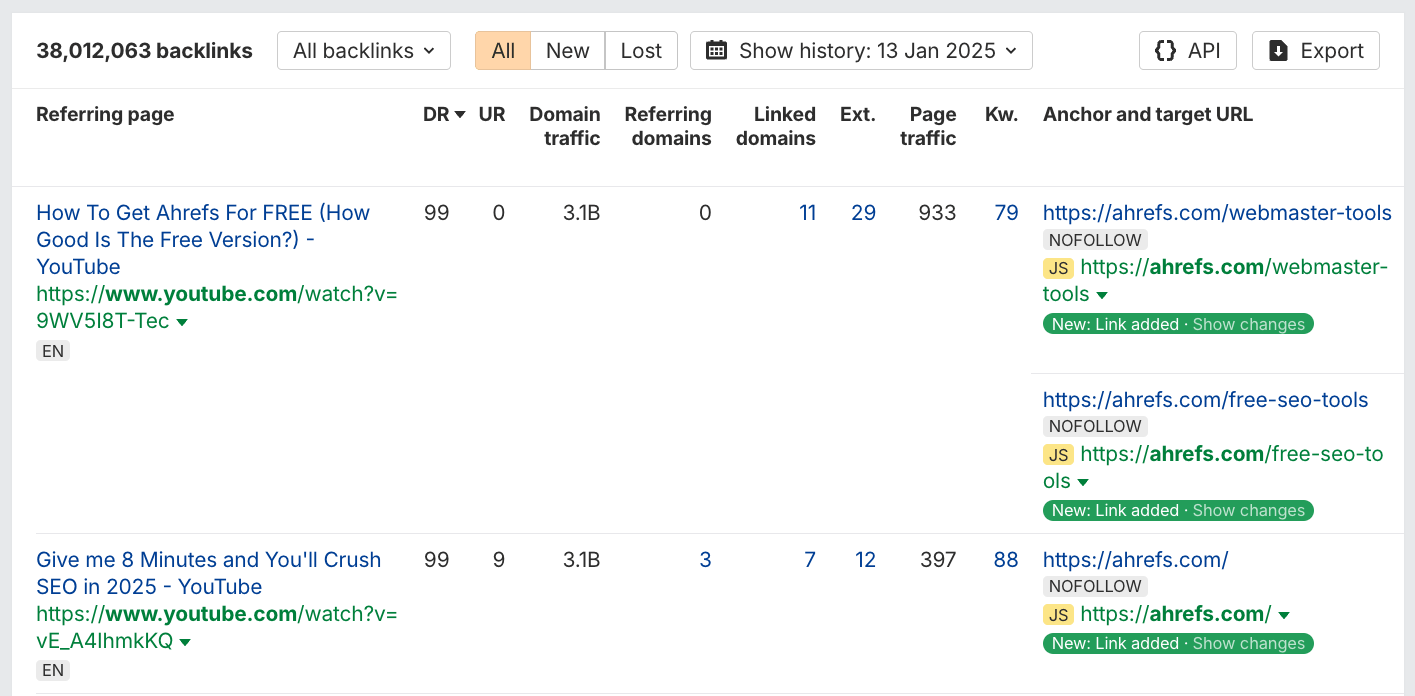
Off-Site Brand Signals: A brand’s reputation is significantly influenced by what independent, credible sources say about it. Google’s quality raters prioritize these external endorsements over self-promotion. This section of the audit focuses on:

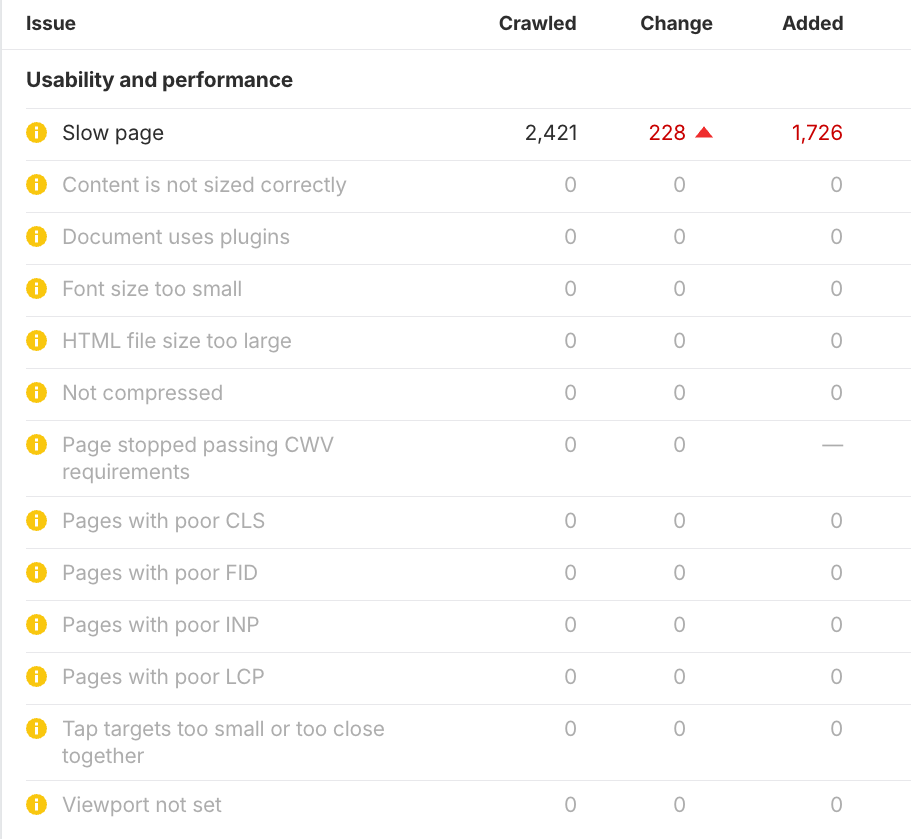
Technical Trust Signals: Even strong content can be undermined by technical deficiencies that erode trust. A basic audit of technical aspects is essential:
Content and On-Page Elements: Google’s emphasis on "helpful content" aligns directly with E-E-A-T principles. This audit area verifies the credibility and trustworthiness of content:
Key People Connected to the Brand: Google evaluates not just brands but also the individuals behind them. Auditing key people involves confirming their online presence and verifiability:
Site-Wide E-E-A-T Elements: A holistic audit considers the overall trustworthiness of the website as a whole. These signals contribute to a strong first impression:
Scoring and Next Steps: The final stage involves scoring each assessed signal using a 5-point scale, similar to Google’s Quality Raters. This allows for quantitative measurement of a brand’s E-E-A-T strength, providing shareable percentage scores. Crucially, this stage also includes planning concrete actions to address identified weaknesses, creating an actionable roadmap for continuous improvement. This might involve updating author bios, enhancing schema markup, or actively seeking reviews on key platforms.
By systematically auditing these nine areas, brands can gain a comprehensive understanding of their E-E-A-T standing. This detailed assessment, supported by robust SEO tools, empowers businesses to build a stronger, more trustworthy online presence, ultimately leading to greater visibility and credibility in the increasingly competitive search engine landscape.