 11
11
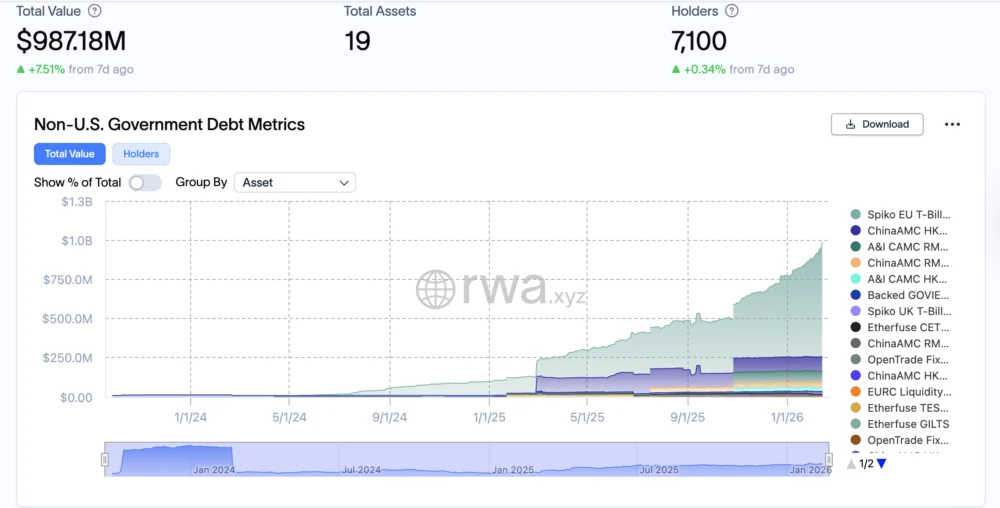
Hong Kong, Thailand, and the Marshall Islands are actively exploring the transformative potential of blockchain technology, specifically focusing on the issuance of tokenized debt instruments and the administration of social benefit programs on-chain. This burgeoning adoption signifies a global shift towards leveraging distributed ledger technology (DLT) for greater efficiency, transparency, and accessibility within governmental operations and financial markets. However, this innovation is not without its challenges, particularly concerning regulatory compliance and sanctions frameworks, according to industry experts.
Julie Myers Wood, CEO of Guidepost Solutions, a firm specializing in compliance and monitoring consulting, has highlighted blockchain technology as an "effective medium for administering social benefit programs." She emphasizes that while the technology offers significant advantages, "key compliance challenges remain." Guidepost Solutions has been instrumental in advising governments on these complex integrations. Notably, the firm provided counsel to the Republic of the Marshall Islands on establishing a robust regulatory compliance and sanctions framework for its USDM1 bond. This bond represents a pioneering step as a tokenized debt instrument, uniquely backed 1:1 by short-term U.S. Treasuries.

The Marshall Islands government has also made significant strides in utilizing blockchain for social welfare. In November 2025, it launched a Universal Basic Income (UBI) program, which facilitates the direct, quarterly distribution of benefits to its citizens through a mobile wallet. Wood elaborated on the strategic advantages of such digital delivery mechanisms, stating, "Any benefit that is currently being distributed through analog means should be explored for a digital delivery option for several reasons. Digital delivery speeds up the process and can provide an auditable trail for provisioning and expenditures." This points to the inherent transparency and accountability that blockchain can introduce into public services.
The broader trend of governments exploring tokenized debt instruments and on-chain social benefit programs is driven by a desire to overcome the limitations of traditional finance. By disintermediating the issuing and clearing processes, these governments aim to eliminate the settlement delays and costly transaction fees that often plague conventional financial systems. This move towards digital assets and on-chain operations can democratize access to financial services, particularly for individuals who may be underserved by traditional banking infrastructure.
The market for non-U.S. tokenized government debt instruments is experiencing consistent growth, reflecting this increasing governmental interest. This expansion is further supported by the significant surge in the tokenized U.S. Treasury market, which has reportedly grown by over 50 times since 2024, according to data from the crypto analysis platform Token Terminal. Experts anticipate further substantial growth, with Lamine Brahimi, co-founder of Taurus SA, an enterprise-focused digital asset services company, forecasting that the tokenized bond market could reach $300 billion by 2030. Brahimi attributes this projected growth to the enhanced investor access facilitated by reduced settlement times, lower transaction costs, and the potential for asset fractionalization, which allows for smaller, more accessible investments in financial assets.

Despite the clear benefits, the path to widespread adoption of tokenized debt and on-chain social programs is paved with significant regulatory considerations. Wood specifically identified anti-money laundering (AML) requirements and sanctions compliance as two of the "biggest regulatory risks for governments issuing onchain bonds to the public." Ensuring that these digital instruments do not become avenues for illicit financial activities is paramount. Furthermore, governments must implement robust know-your-customer (KYC) procedures to guarantee that funds are accurately directed to the intended recipients. This necessitates a careful balance between leveraging blockchain’s efficiency and adhering to established financial regulations designed to protect the integrity of the financial system.
The UK government, for instance, has appointed HSBC for a tokenized bond pilot, indicating a broader international movement towards exploring these innovative financial instruments. The successful navigation of these compliance challenges will be crucial for unlocking the full potential of blockchain technology in public administration and financial markets, ultimately leading to more efficient, transparent, and inclusive systems. As the market for tokenized assets continues to mature, ongoing collaboration between governments, regulatory bodies, and technology providers will be essential to address these complexities and foster a secure and stable environment for innovation. The commitment to independent and transparent journalism by outlets like Cointelegraph, exemplified by their adherence to editorial policies and encouragement of independent verification, is vital in reporting on these rapidly evolving developments.