 11
11
As of July 2025, ChatGPT is processing an astonishing 2.5 billion prompts per day, a figure that represents 18% of Google’s 13.7 billion daily searches, according to data released in January 2025. This rapid ascent of AI-powered conversational interfaces presents a significant shift in how users seek information, with profound implications for website traffic and the broader digital ecosystem. While both platforms handle vast amounts of user queries, their operational models and impact on external websites diverge significantly.
A comprehensive analysis, leveraging data from Ahrefs and insights from OpenAI and Harvard research, reveals a fundamental difference in their business models. Google operates as a conduit, connecting users to external websites for information. In contrast, ChatGPT aims to retain users within its conversational environment, providing direct answers and completing tasks without necessarily directing traffic to other online resources. This distinction raises concerns about the future of website traffic if AI-driven search becomes the dominant paradigm.
Daily Volume Comparison
The scale of daily interactions is immense for both platforms, though Google still holds a substantial lead. Google processes an estimated 13.7 billion searches per day, accumulating over 5 trillion searches annually. ChatGPT, with its 2.5 billion daily prompts, translates to approximately 912 billion prompts annually, demonstrating a remarkable growth trajectory in a short period.
| Platform | Daily Searches/Prompts | Annual Total |
|---|---|---|
| 13.7 billion | 5+ trillion | |
| ChatGPT | 2.5 billion | ~912 billion |
Defining "Search" in the Context of ChatGPT
A critical aspect of this comparison lies in understanding what constitutes a "search" within ChatGPT’s usage. Research from OpenAI and Harvard, analyzing 1.5 million conversations, categorizes 24% of interactions as "pure search," which includes factual queries, product searches, and recipe requests. An additional 51.6% falls under "asking intent," encompassing requests for advice, perspectives, or information to aid judgment, rather than direct task delegation.
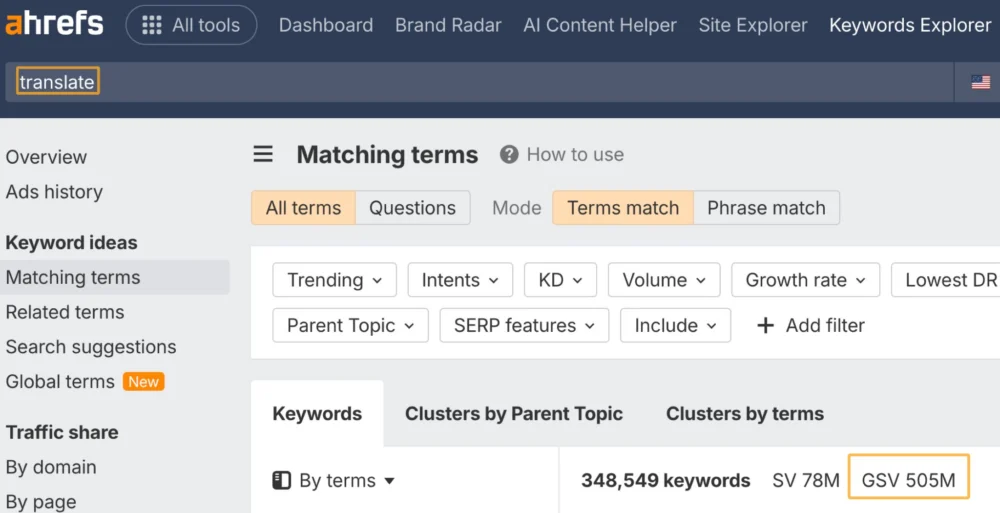
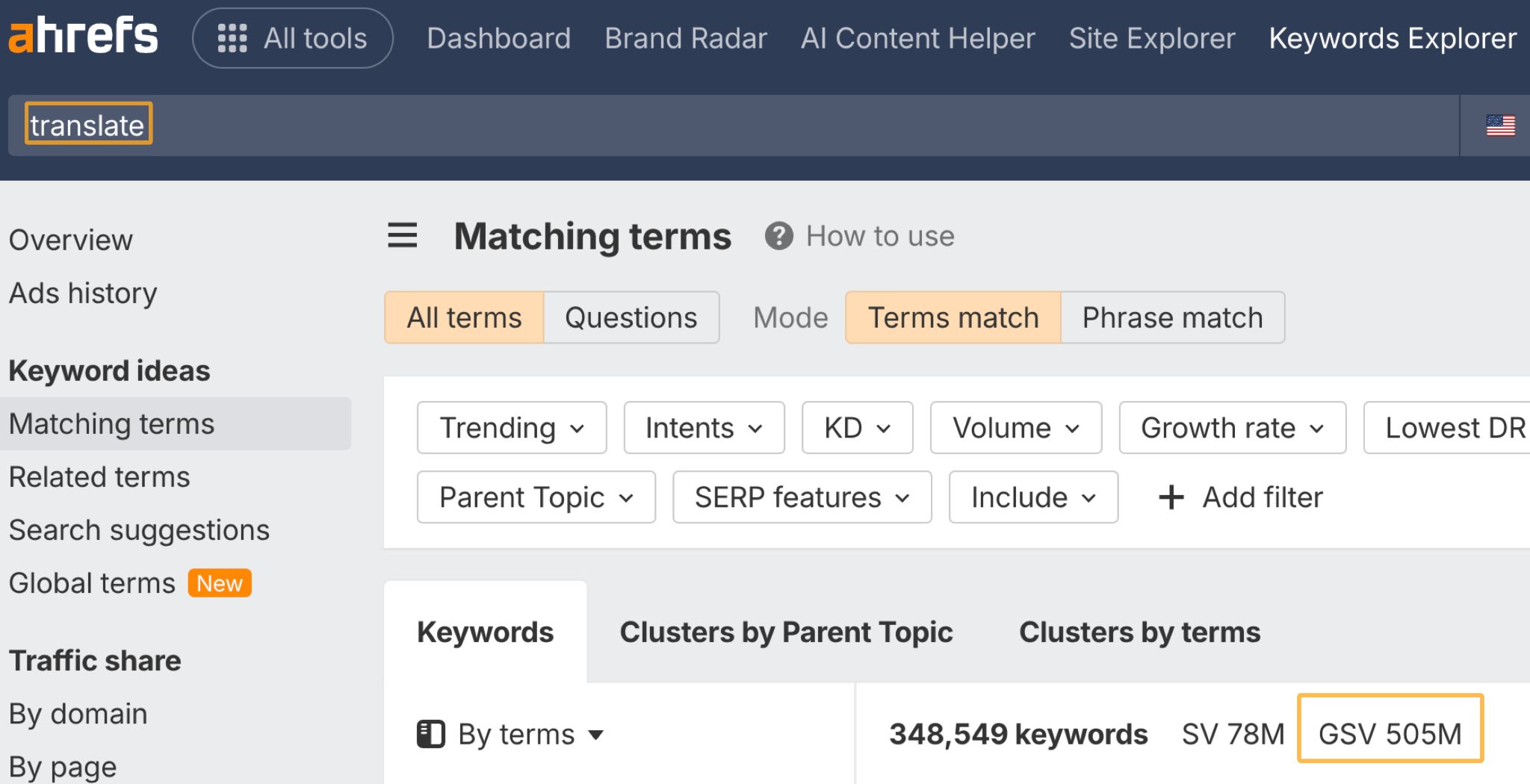
However, the author of the analysis argues that these classifications may not fully capture the overlap with traditional Google searches. Many functionalities offered by ChatGPT, such as translation, coding assistance, and even seeking advice that previously required consulting multiple websites, can be considered forms of search that were historically performed on Google. For instance, hundreds of millions of searches per month are related to translation queries on Google. Based on this broader interpretation, it’s estimated that 65% of ChatGPT’s usage can be classified as tasks or queries that were traditionally addressed by searching on Google.
| Category | % of ChatGPT Usage | ChatGPT Daily Volume | % of Google’s Volume |
|---|---|---|---|
| Pure Search (facts, products, recipes) | 24.0% | 600 million | 4.38% |
| Asking Intent (search + advice) | 51.6% | 1.29 billion | 9.42% |
| My Search Classification (things people traditionally searched on Google) | 65.0% | 1.625 billion | 11.86% |
This reclassification suggests that ChatGPT is handling approximately 12% of the search volume that was previously directed to Google for traditional search queries. This figure positions ChatGPT as a significant player, having already surpassed established search engines like Bing in terms of daily search volume. Bing is estimated to handle around 1.2 billion searches per day.
Website Traffic Impact
The disparity in how Google and ChatGPT direct users to external content is starkly illustrated by website traffic data. Ahrefs Web Analytics, examining 76,000 websites, reveals that Google is responsible for a substantial portion of website traffic, making up nearly 40% of all traffic. In stark contrast, ChatGPT currently contributes only 0.21% to website traffic, sending 190 times less traffic than Google. This suggests a fundamental shift in the user journey, where AI assistants are becoming destinations in themselves rather than gateways to other online resources.
Click-Through Rate (CTR) Differences
The divergence in user experience is further highlighted by the click-through rates (CTR) associated with each platform. The calculation method used for estimated CTR is (Traffic Share % / Daily Queries in billions) * 10.
| Platform/Category | Daily Queries | Traffic Share | Estimated CTR | CTR vs Google |
|---|---|---|---|---|
| 13.7 billion | 39.98% | 29.2% | Baseline | |
| ChatGPT (Pure Search) | 600 million | 0.21% | 3.5% | 88% lower |
| ChatGPT (Asking Intent) | 1.29 billion | 0.21% | 1.6% | 94% lower |
| ChatGPT (My Search Classification) | 1.625 billion | 0.21% | 1.3% | 96% lower |
| ChatGPT (All Usage) | 2.5 billion | 0.21% | 0.84% | 97% lower |
Based on this analysis, ChatGPT exhibits a significantly lower CTR compared to Google. Even when considering "pure search" queries, ChatGPT’s estimated CTR is 88% lower than Google’s. For the broader "my search classification" which includes more traditional search behaviors, the CTR is a staggering 96% lower than Google’s. Across all of ChatGPT’s usage, the estimated CTR is 97% lower than Google’s. This dramatic difference underscores the AI’s ability to provide direct answers and retain users, thereby reducing the need for them to visit external websites.
Final Thoughts
Google maintains its position as the dominant search engine, handling over five times more daily activity than ChatGPT. However, ChatGPT’s rapid integration into user workflows has allowed it to make significant inroads into the search landscape, surpassing long-standing competitors like Bing in terms of daily query volume.
The critical question remains whether website owners and content creators will passively accept the substantial reduction in referral traffic from AI-driven search platforms. The current data suggests a fundamental shift in how information is accessed, with AI assistants evolving into comprehensive information hubs. The long-term implications for the digital economy, content creation, and the sustainability of websites that rely on search engine traffic are significant and warrant continued observation. The potential for pushback from website owners against the model of AI search, which diverts traffic away from their platforms, is a growing concern within the industry.